
 EN
EN

The automotive industry has witnessed a remarkable transformation in recent years, with new energy vehicles emerging as a compelling alternative to traditional internal combustion engine vehicles. As consumers increasingly prioritize environmental sustainability and governments implement stricter emission regulations, the performance of new energy vehicles in terms of safety and reliability has become a critical consideration for potential buyers and industry stakeholders alike.
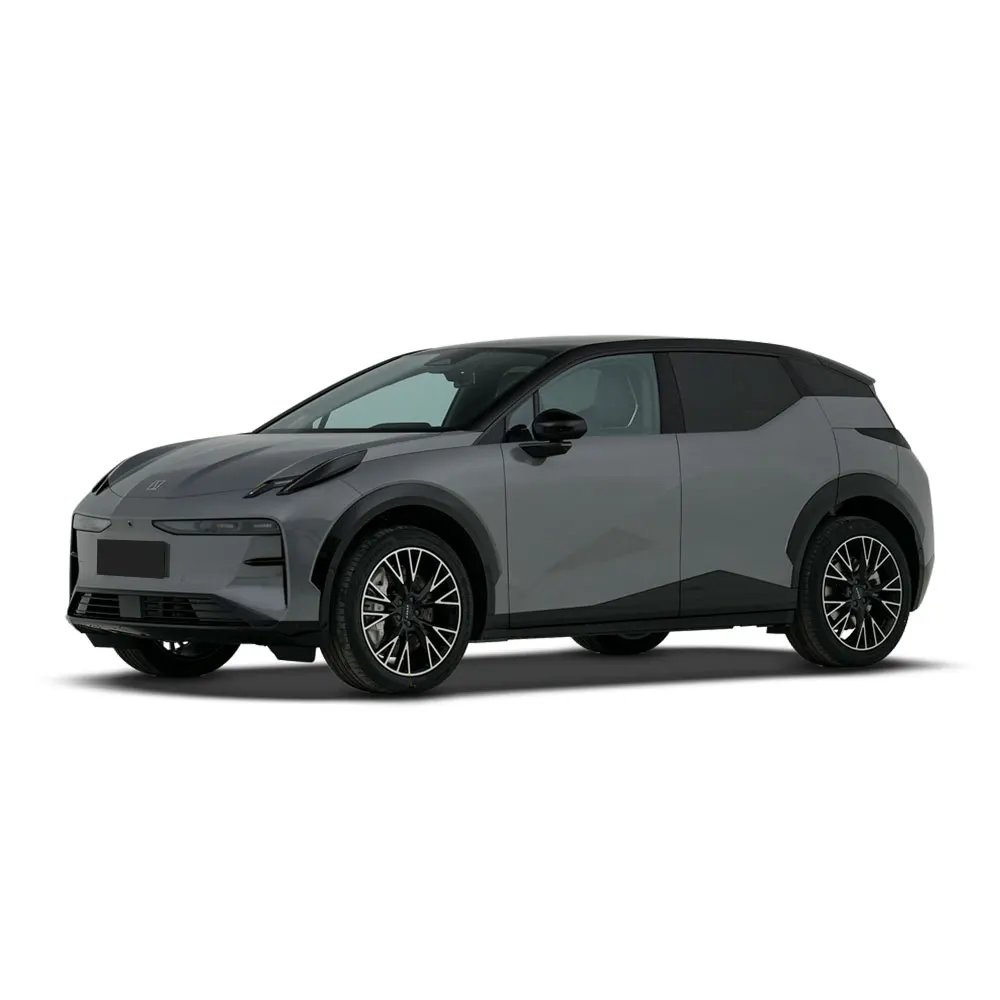
Modern new energy vehicles have undergone extensive testing and development to meet stringent safety standards while delivering exceptional reliability ratings. The integration of advanced battery technologies, sophisticated safety systems, and rigorous manufacturing processes has positioned these vehicles as serious contenders in the global automotive market. Understanding their current performance metrics provides valuable insights for consumers making informed purchasing decisions.
Advanced Safety Technologies in Electric Vehicles
Battery Safety and Thermal Management Systems
Contemporary new energy vehicles incorporate sophisticated battery safety mechanisms that significantly reduce the risk of thermal runaway and fire incidents. These systems include advanced battery management units that continuously monitor cell temperature, voltage, and current flow to prevent dangerous conditions. The implementation of liquid cooling systems and fire-resistant battery enclosures has dramatically improved overall vehicle safety ratings.
Leading manufacturers have invested heavily in developing proprietary thermal management technologies that maintain optimal battery operating temperatures under various driving conditions. These systems not only enhance safety but also contribute to improved battery longevity and consistent performance across different climate zones.
Structural Integrity and Crash Protection
The unique design requirements of electric vehicles have led to innovative approaches in structural engineering and crash protection. Battery placement in the vehicle floor creates a lower center of gravity, improving stability and reducing rollover risk. Additionally, the absence of traditional engine components allows for enhanced crumple zone design and energy absorption capabilities during collision events.
Independent safety testing organizations have consistently awarded high safety ratings to modern electric vehicles, with many achieving five-star ratings in comprehensive crash tests. The integration of reinforced battery compartments and advanced airbag systems provides superior occupant protection compared to many conventional vehicles.
Reliability Performance and Long-Term Durability
Battery Life and Performance Degradation
Recent studies demonstrate that new energy vehicles exhibit impressive battery longevity, with most modern lithium-ion batteries retaining over eighty percent of their original capacity after eight to ten years of typical usage. Advanced battery chemistry improvements and sophisticated charging algorithms have significantly reduced degradation rates compared to earlier electric vehicle generations.
Manufacturers now offer comprehensive warranty coverage for battery systems, typically extending eight years or one hundred thousand miles, providing consumers with confidence in long-term reliability. Real-world data from vehicle fleets demonstrates that properly maintained electric vehicle batteries often exceed their warranty periods while maintaining acceptable performance levels.
Maintenance Requirements and Operational Costs
Electric vehicles require significantly less routine maintenance compared to traditional vehicles due to fewer moving parts and the absence of complex engine systems. This translates to reduced maintenance costs and improved overall reliability through fewer potential failure points. Regular maintenance primarily focuses on tire rotation, brake inspection, and software updates rather than oil changes and engine tune-ups.
The regenerative braking systems in electric vehicles contribute to extended brake component life, further reducing maintenance requirements and operational costs. Many owners report substantial savings in maintenance expenses over the vehicle's lifetime, making electric vehicles increasingly attractive from both reliability and economic perspectives.
Performance in Various Climate Conditions
Cold Weather Performance and Adaptations
Modern new energy vehicles have made significant improvements in cold weather performance through advanced thermal management and pre-conditioning systems. These technologies help maintain battery efficiency and driving range even in extremely low temperatures. Manufacturers have developed sophisticated heating systems that warm both the cabin and battery pack while the vehicle remains connected to charging infrastructure.
The implementation of heat pump technology and improved insulation materials has enhanced energy efficiency in cold climates, addressing previous concerns about winter driving range. Real-world testing demonstrates that current generation electric vehicles maintain acceptable performance levels across diverse climate conditions.
Hot Weather Resilience and Cooling Systems
High temperature environments present unique challenges for electric vehicle systems, particularly battery thermal management and cabin cooling efficiency. Advanced cooling systems now incorporate multiple heat exchangers and intelligent thermal controls that maintain optimal operating conditions even during extreme heat conditions.
The development of more efficient air conditioning systems and improved cabin insulation helps preserve driving range while maintaining passenger comfort in hot climates. These improvements demonstrate the industry's commitment to ensuring reliable performance across all geographical regions and seasonal conditions.
Safety Testing and Regulatory Compliance
International Safety Standards and Certifications
New energy vehicles must meet or exceed rigorous international safety standards established by organizations such as the National Highway Traffic Safety Administration and the European New Car Assessment Programme. These comprehensive testing protocols evaluate crash protection, fire safety, electrical safety, and functional safety aspects specific to electric vehicle technologies.
The harmonization of global safety standards has facilitated the development of vehicles that perform consistently well across different markets and regulatory environments. Manufacturers invest substantial resources in testing and validation to ensure compliance with evolving safety requirements and consumer expectations.
Emergency Response and First Responder Training
The widespread adoption of electric vehicles has necessitated comprehensive training programs for emergency responders and service technicians. These programs address unique safety considerations such as high voltage systems, battery hazards, and proper emergency procedures during accident scenarios.
Manufacturers collaborate with emergency services to develop standardized response protocols and provide specialized equipment for safely handling electric vehicle incidents. This coordinated approach ensures that safety performance extends beyond vehicle design to encompass emergency response capabilities.
Future Developments and Emerging Technologies
Next-Generation Battery Technologies
Research and development efforts continue to focus on solid-state batteries and other advanced energy storage technologies that promise enhanced safety, reliability, and performance characteristics. These emerging technologies aim to eliminate many current limitations while providing faster charging capabilities and extended driving ranges.
The integration of artificial intelligence and machine learning algorithms in battery management systems enables predictive maintenance and optimization of charging patterns to maximize battery life and safety. These developments represent the next evolution in electric vehicle reliability and performance.
Autonomous Safety Features and Integration
The convergence of electric vehicle technology with autonomous driving capabilities creates new opportunities for enhanced safety performance. Advanced driver assistance systems leverage the sophisticated electronic architecture of electric vehicles to provide comprehensive collision avoidance and safety monitoring capabilities.
Future developments in vehicle-to-infrastructure communication and predictive safety systems will further improve the overall safety profile of new energy vehicles while maintaining the reliability standards that consumers expect from modern transportation solutions.
FAQ
How reliable are electric vehicle batteries compared to traditional engines?
Electric vehicle batteries demonstrate superior reliability compared to traditional internal combustion engines due to fewer moving parts and advanced monitoring systems. Modern batteries typically retain over eighty percent capacity after eight years, while comprehensive warranties provide additional consumer protection and confidence in long-term reliability.
What safety features are unique to electric vehicles?
Electric vehicles incorporate specialized safety features including advanced battery thermal management systems, reinforced battery compartments, automatic high-voltage disconnection during crashes, and sophisticated fire suppression systems. These features work together to provide enhanced occupant protection and minimize risks associated with high-voltage electrical systems.
How do electric vehicles perform in extreme weather conditions?
Modern electric vehicles utilize advanced thermal management systems and pre-conditioning technologies to maintain reliable performance across diverse climate conditions. While extreme temperatures can affect driving range, current generation vehicles incorporate heat pumps, improved insulation, and intelligent energy management to minimize performance impacts.
Are electric vehicles more expensive to maintain than traditional cars?
Electric vehicles typically require significantly less maintenance than conventional vehicles due to fewer moving parts, no oil changes, and reduced brake wear from regenerative braking systems. While initial purchase prices may be higher, lower maintenance costs and reduced fuel expenses often result in lower total ownership costs over the vehicle's lifetime.