
 EN
EN
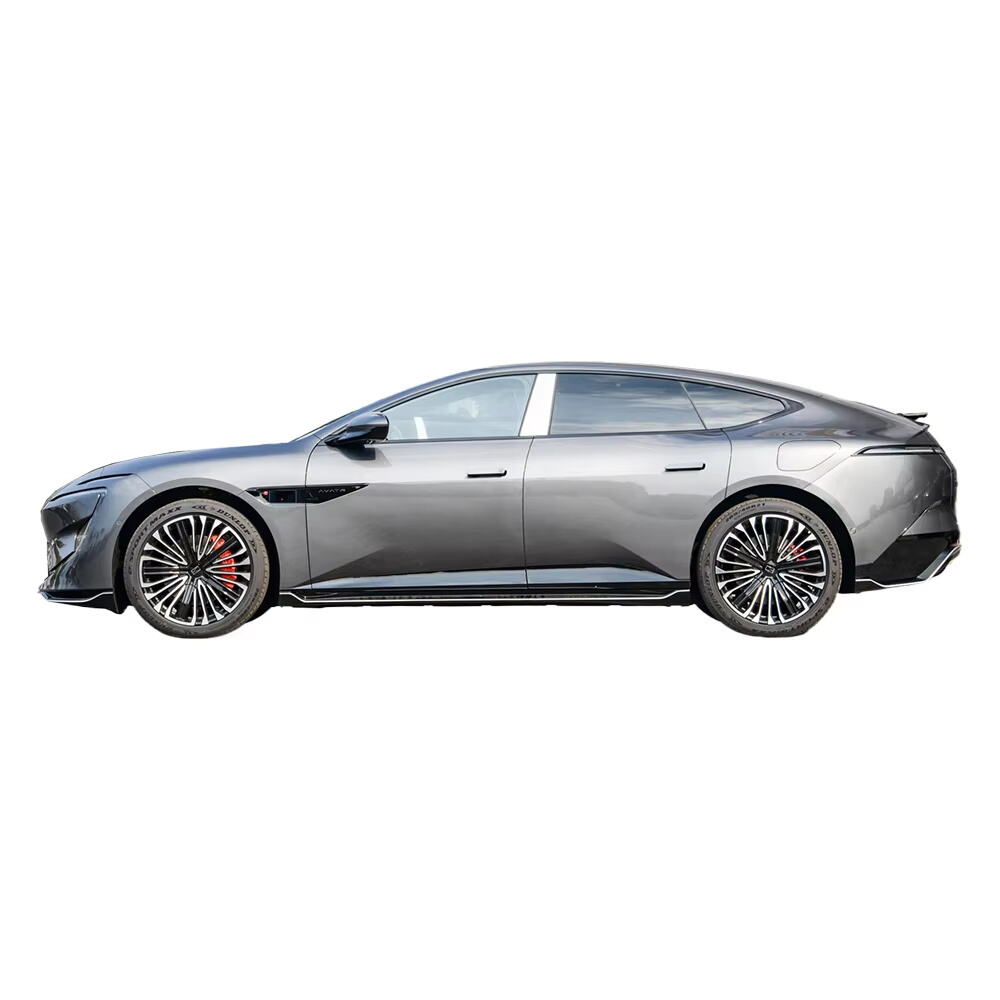
The automotive industry has undergone a revolutionary transformation with the emergence of New Energy Vehicles, representing a fundamental shift away from traditional fossil fuel-powered transportation. These innovative vehicles encompass a diverse range of technologies designed to reduce environmental impact while providing efficient and sustainable mobility solutions. As governments worldwide implement stricter emission regulations and consumers become increasingly environmentally conscious, the demand for New Energy Vehicles continues to surge across global markets. Understanding the various types available helps consumers make informed decisions about their next vehicle purchase while contributing to a cleaner, more sustainable future.
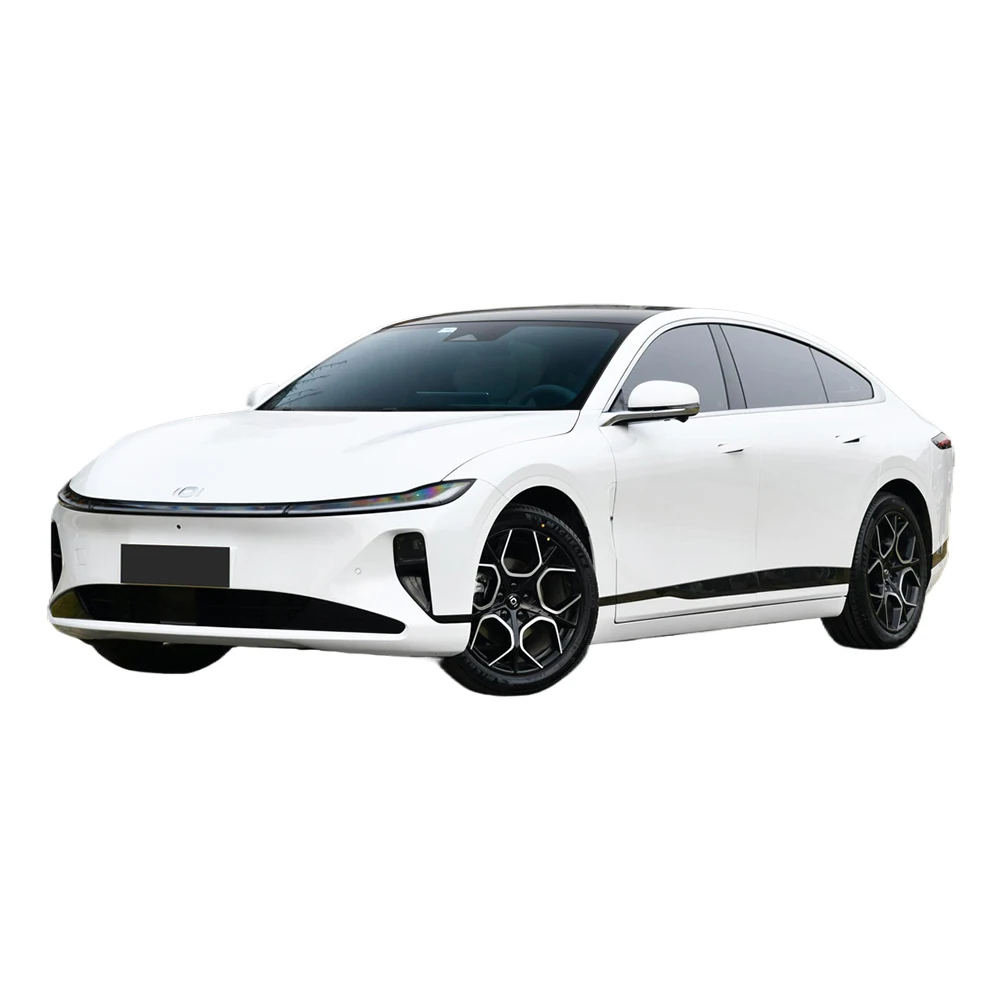
Battery Electric Vehicles
Pure Electric Vehicle Technology
Battery Electric Vehicles represent the most straightforward approach to electric mobility, relying entirely on stored electrical energy to power electric motors. These vehicles feature large lithium-ion battery packs that can be recharged through various charging infrastructure options, from home charging stations to high-speed public charging networks. The absence of internal combustion engines eliminates direct emissions, making BEVs the cleanest option among New Energy Vehicles during operation. Modern BEVs offer impressive driving ranges, with many models exceeding 300 miles on a single charge, addressing previous concerns about range anxiety.
Charging Infrastructure and Convenience
The success of Battery Electric Vehicles heavily depends on accessible charging infrastructure, which has expanded rapidly in recent years. Home charging solutions provide overnight convenience for daily commuting needs, while workplace charging stations offer additional flexibility for employees. Public fast-charging networks enable long-distance travel, with charging times decreasing significantly as technology advances. Many BEV owners find that planning charging stops becomes second nature, similar to traditional fuel stops, but often more convenient due to the ability to charge at home or work.
Plug-in Hybrid Electric Vehicles
Dual Powertrain Flexibility
Plug-in Hybrid Electric Vehicles combine traditional internal combustion engines with electric motors and rechargeable battery packs, offering exceptional versatility for diverse driving needs. These vehicles can operate in pure electric mode for short distances, typically 20-50 miles, before automatically switching to hybrid operation using both power sources. This dual powertrain approach eliminates range anxiety while providing significant fuel savings and reduced emissions compared to conventional vehicles. PHEVs serve as an excellent transitional technology for consumers hesitant to fully commit to electric-only transportation.
Optimal Usage Scenarios
PHEVs excel in situations where daily driving patterns include both short local trips and occasional long-distance travel requirements. Urban commuters can complete most daily driving in electric-only mode, dramatically reducing fuel consumption and emissions for routine activities. When longer trips arise, the internal combustion engine provides unlimited range capability without requiring charging infrastructure planning. This flexibility makes PHEVs particularly attractive to families with varying transportation needs or those living in areas with limited charging infrastructure development.
Hybrid Electric Vehicles
Self-Charging Technology
Traditional Hybrid Electric Vehicles utilize sophisticated energy management systems that combine internal combustion engines with electric motors and battery packs that recharge through regenerative braking and engine operation. Unlike plug-in variants, these vehicles cannot be externally charged but instead optimize energy efficiency through intelligent power distribution between electric and gasoline propulsion. The electric motor assists during acceleration, reduces engine load during cruising, and captures energy typically lost during braking. This technology significantly improves fuel economy compared to conventional vehicles while maintaining familiar driving patterns and refueling habits.
Proven Reliability and Market Adoption
HEVs have demonstrated exceptional reliability and durability over more than two decades of market presence, with many vehicles surpassing 200,000 miles with minimal maintenance issues. The mature technology offers seamless integration of electric and gasoline power sources, providing smooth acceleration and improved fuel efficiency without requiring lifestyle changes. Many manufacturers have perfected hybrid systems to the point where drivers experience enhanced performance compared to conventional engines, including quieter operation and reduced vibration. This proven track record makes HEVs an attractive option for consumers seeking improved efficiency without adopting new charging behaviors.
Fuel Cell Electric Vehicles
Hydrogen Fuel Technology
Fuel Cell Electric Vehicles represent an advanced approach to clean transportation, using hydrogen fuel cells to generate electricity that powers electric motors. These vehicles store compressed hydrogen gas in specialized tanks and combine it with oxygen from the air through an electrochemical process that produces electricity and water vapor as the only emission. FCEVs offer rapid refueling times comparable to conventional vehicles, typically requiring just 3-5 minutes to achieve full range capability. The technology provides long driving ranges, often exceeding 300 miles, making them suitable for various transportation applications including passenger vehicles, commercial trucks, and public transit.
Infrastructure Development Challenges
The widespread adoption of Fuel Cell Electric Vehicles faces significant infrastructure development challenges, primarily the limited availability of hydrogen refueling stations. Current hydrogen infrastructure concentrates in specific regions, particularly California and select metropolitan areas, limiting FCEV practicality for many consumers. However, government initiatives and private investments continue expanding hydrogen production and distribution networks, with particular focus on commercial vehicle applications where centralized refueling makes economic sense. The development of green hydrogen production through renewable energy sources promises to make FCEVs increasingly attractive as the infrastructure matures.
Extended Range Electric Vehicles
Range Extender Technology
Extended Range Electric Vehicles utilize a small internal combustion engine solely as a generator to charge the battery pack when needed, rather than directly powering the wheels. This configuration allows vehicles to operate primarily as electric vehicles while providing unlimited range capability through the onboard generator. The range extender typically activates only when battery charge drops below predetermined levels, maintaining electric-only operation for the majority of driving scenarios. This approach combines the environmental benefits of electric driving with the convenience and flexibility of conventional range capability.
Optimal Design Philosophy
EREVs represent an optimal balance between electric vehicle benefits and practical range requirements, particularly suitable for drivers with unpredictable travel patterns. The electric-first design philosophy ensures maximum efficiency and minimal emissions during daily driving while providing peace of mind for longer journeys. Many EREV models offer 40-80 miles of electric-only range, covering typical daily driving needs without generator operation. When the range extender activates, it operates at optimal efficiency points rather than varying with driving demands, resulting in better overall fuel economy compared to traditional vehicles and reduced complexity compared to full parallel hybrid systems.
Commercial and Specialty New Energy Vehicles
Commercial Fleet Applications
Commercial applications of New Energy Vehicles include delivery trucks, buses, and specialized service vehicles that benefit significantly from electric powertrains. Electric commercial vehicles offer reduced operating costs through lower fuel and maintenance expenses, making them increasingly attractive for fleet operators focused on total cost of ownership. Many delivery companies have adopted electric vans for urban routes, taking advantage of quiet operation for early morning or late evening deliveries in residential areas. Public transit agencies worldwide are transitioning to electric buses, improving air quality in urban centers while reducing noise pollution for residents.
Specialty Vehicle Categories
Specialty New Energy Vehicles encompass motorcycles, scooters, and recreational vehicles that utilize electric powertrains for specific applications and user preferences. Electric motorcycles offer instant torque delivery and silent operation, appealing to urban commuters and recreational riders seeking unique riding experiences. Electric scooters have revolutionized short-distance urban transportation, providing convenient last-mile mobility solutions for commuters and students. Recreational electric vehicles, including off-road vehicles and watercraft, demonstrate the versatility of electric powertrains across diverse transportation categories while maintaining environmental consciousness in outdoor recreation activities.
FAQ
What is the difference between hybrid and plug-in hybrid vehicles
Traditional hybrid vehicles use internal combustion engines and electric motors with batteries that charge only through regenerative braking and engine operation, while plug-in hybrids feature larger batteries that can be externally charged through charging stations or home outlets. Plug-in hybrids offer electric-only driving for shorter distances, typically 20-50 miles, before switching to hybrid operation, whereas traditional hybrids always use both power sources and cannot operate in pure electric mode for extended periods.
How long do New Energy Vehicle batteries typically last
Most New Energy Vehicle batteries are designed to last 8-15 years or 100,000-200,000 miles, depending on usage patterns, charging habits, and environmental conditions. Battery degradation occurs gradually, with most vehicles retaining 70-80% of original capacity after 8-10 years of typical use. Manufacturers typically provide warranties covering battery performance for 8 years or 100,000 miles, and replacement costs have decreased significantly as battery technology improves and production scales increase.
What factors should I consider when choosing between different types of New Energy Vehicles
Key considerations include daily driving distance, access to charging infrastructure, budget constraints, and personal preferences regarding range anxiety and refueling habits. Battery electric vehicles work best for predictable daily routes with home or workplace charging access, while plug-in hybrids offer flexibility for varying travel patterns. Consider total cost of ownership including fuel savings, maintenance costs, available incentives, and resale value when making decisions between different New Energy Vehicle types.
Are New Energy Vehicles more expensive to maintain than conventional vehicles
New Energy Vehicles typically have lower maintenance costs due to fewer moving parts, no oil changes for electric components, and reduced brake wear from regenerative braking systems. However, specialized technician training and potential battery replacement costs should be considered. Most routine maintenance involves tire rotation, brake inspection, and cooling system checks, with many owners reporting 40-60% lower maintenance expenses compared to conventional vehicles over the vehicle's lifetime.