
 EN
EN
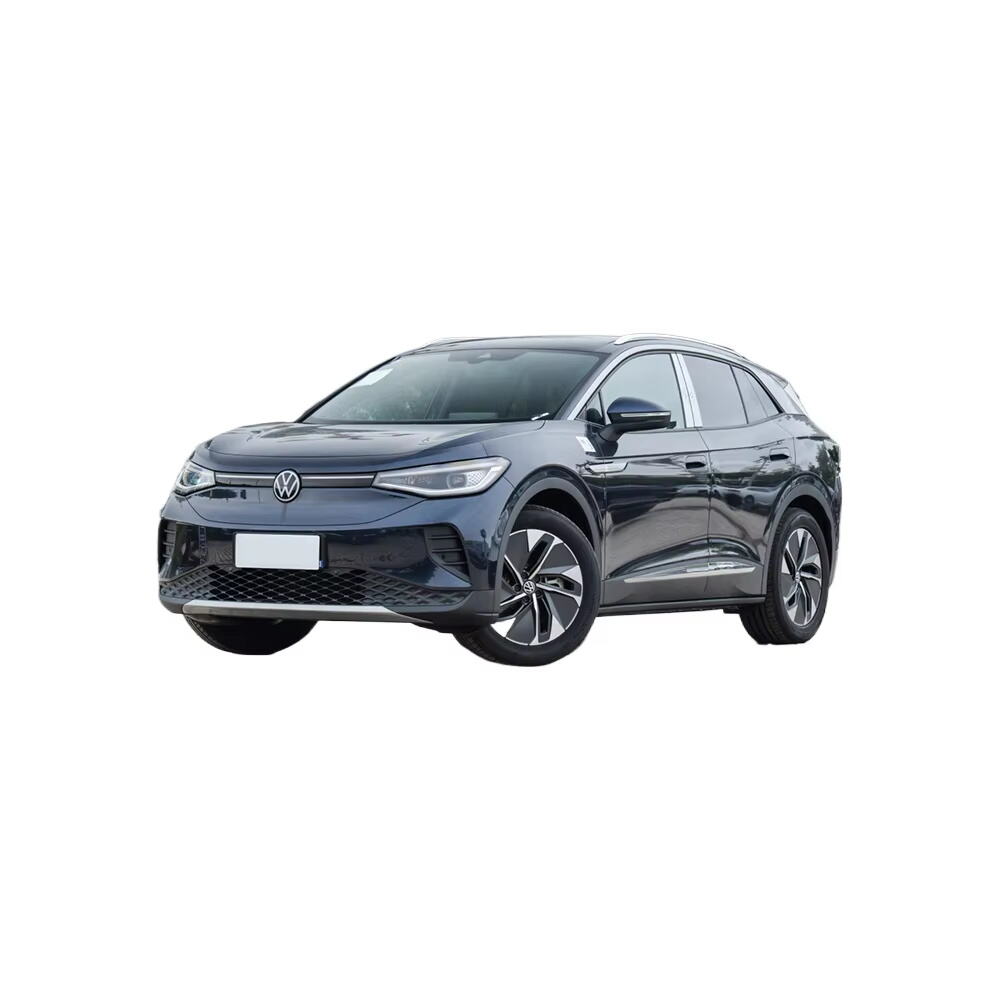
The automotive industry has witnessed a remarkable transformation in recent years, with governments worldwide implementing comprehensive incentive programs to accelerate the adoption of New Energy Vehicles. These innovative transportation solutions represent a pivotal shift toward sustainable mobility, encompassing battery electric vehicles, plug-in hybrids, and fuel cell technologies. Understanding the various government incentives available can significantly impact your purchasing decision and overall cost of ownership for these environmentally conscious vehicles.
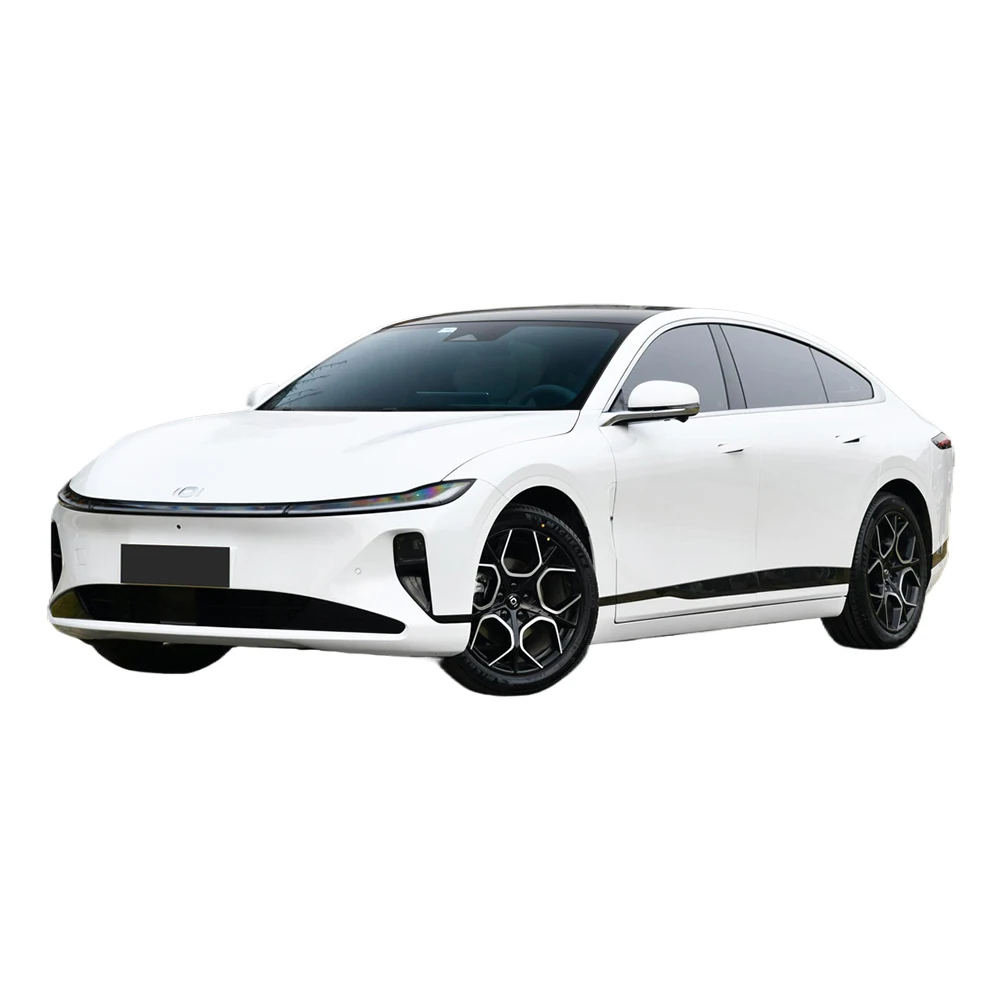
Government support for clean transportation initiatives has created an unprecedented opportunity for consumers and businesses to embrace sustainable mobility solutions. The financial benefits extend beyond simple purchase rebates, encompassing tax credits, reduced registration fees, preferential parking privileges, and access to high-occupancy vehicle lanes. These comprehensive incentive packages reflect the urgent global commitment to reducing greenhouse gas emissions and improving urban air quality through widespread electric vehicle adoption.
Federal Tax Credits and Rebate Programs
Understanding Federal Electric Vehicle Tax Credits
Federal tax credit programs represent one of the most substantial financial incentives available for New Energy Vehicles purchases. In the United States, qualified electric vehicles can receive up to $7,500 in federal tax credits, depending on the manufacturer and vehicle specifications. The credit amount varies based on battery capacity, with vehicles featuring larger battery packs typically qualifying for higher credit amounts. However, manufacturers face phase-out limitations once they reach specific sales thresholds, making timing crucial for maximizing these benefits.
The federal tax credit structure operates on a sliding scale that considers both environmental impact and market penetration goals. Vehicles must meet specific criteria including minimum battery capacity requirements and final assembly location to qualify for full credits. Additionally, income restrictions may apply, ensuring these incentives primarily benefit middle-class consumers while encouraging broader market adoption. The credit applies directly to your tax liability, potentially providing significant savings during tax filing season.
State-Level Rebate and Incentive Programs
State governments have implemented diverse rebate programs that complement federal incentives, creating attractive purchasing environments for New Energy Vehicles. California leads with the Clean Vehicle Rebate Project, offering up to $2,000 for battery electric vehicles and $1,000 for plug-in hybrids. Other states like Colorado, Connecticut, and Massachusetts provide similar programs with varying benefit amounts and qualification requirements. These state-level incentives often combine with federal credits, substantially reducing the effective purchase price.
Many states have expanded their incentive programs to include additional benefits such as reduced registration fees, exemptions from emissions testing, and preferential treatment in government vehicle procurement. Some programs specifically target low-income households or disadvantaged communities, providing enhanced rebate amounts to ensure equitable access to clean transportation technologies. The geographic variation in incentive availability creates compelling reasons for consumers to research local programs before making purchase decisions.
Municipal and Local Government Incentives
City-Level Electric Vehicle Support Programs
Metropolitan areas worldwide have recognized the environmental and economic benefits of promoting New Energy Vehicles through targeted local incentive programs. Cities like Los Angeles, Seattle, and Austin offer additional rebates, free or discounted parking permits, and access to dedicated charging infrastructure. These municipal programs often focus on improving local air quality and reducing traffic congestion through strategic electric vehicle deployment incentives.
Local governments frequently partner with utility companies to provide integrated incentive packages that include both vehicle rebates and residential charging station installation support. These comprehensive programs address the complete electric vehicle ownership experience, ensuring consumers have access to convenient and affordable charging solutions. Some cities have implemented time-of-use electricity rates specifically designed for electric vehicle owners, further reducing operational costs and encouraging off-peak charging behavior.
Workplace and Fleet Incentive Programs
Commercial and fleet incentive programs represent a significant opportunity for businesses considering New Energy Vehicles for their operations. Government agencies often provide enhanced rebates for fleet purchases, recognizing the multiplier effect of commercial vehicle electrification on market development and emissions reduction. These programs may include grants for charging infrastructure development, reduced licensing fees, and preferential procurement consideration for government contracts.
Many jurisdictions offer specific incentives for ride-sharing services, delivery companies, and public transportation agencies transitioning to electric fleets. These targeted programs acknowledge the high-mileage nature of commercial vehicles and their disproportionate environmental impact. Business tax deductions for electric vehicle purchases often exceed consumer incentives, making fleet electrification financially attractive for forward-thinking companies committed to sustainability goals.
International Government Incentive Strategies
European Union Electric Vehicle Support Systems
European governments have implemented some of the world's most aggressive incentive programs for New Energy Vehicles, reflecting ambitious climate change commitments and air quality improvement targets. Countries like Norway offer complete exemption from vehicle registration taxes, reduced tolls, free parking, and access to bus lanes for electric vehicle owners. Germany provides substantial purchase rebates combined with reduced company car taxation rates, making electric vehicles attractive for both personal and business use.
The European approach often combines financial incentives with regulatory measures such as low-emission zones and eventual internal combustion engine phase-out timelines. France and the United Kingdom have implemented scrappage schemes that provide additional incentives when consumers trade older, more polluting vehicles for new electric alternatives. These comprehensive policy frameworks create clear market signals that encourage long-term investment in electric vehicle technology and infrastructure development.
Asian Market Incentive Development
Asian governments have pioneered innovative incentive structures that address unique market conditions and consumer preferences for New Energy Vehicles. China's substantial subsidies and license plate allocation advantages have created the world's largest electric vehicle market. Japan focuses on technology development incentives combined with consumer rebates, fostering domestic innovation while encouraging adoption. South Korea implements comprehensive support including purchase subsidies, infrastructure development grants, and preferential financing options.
These regional programs often emphasize domestic manufacturing development alongside consumer adoption goals. Government procurement policies favor locally-produced New Energy Vehicles, creating virtuous cycles that support both market growth and technological advancement. The integration of incentive programs with broader industrial policy objectives demonstrates how electric vehicle support can simultaneously address environmental concerns and economic development priorities.
Charging Infrastructure and Utility Incentives
Home Charging Installation Support Programs
Government and utility partnerships have created comprehensive charging infrastructure incentive programs that address one of the primary barriers to New Energy Vehicles adoption. Many jurisdictions offer rebates or tax credits for residential charging station installation, often covering 50-100% of equipment and installation costs. These programs recognize that convenient home charging capability significantly influences consumer willingness to transition to electric vehicles.
Utility companies frequently provide time-of-use electricity rates specifically designed for electric vehicle charging, offering substantial savings for consumers who charge during off-peak hours. Some programs include smart charging equipment that automatically optimizes charging schedules to minimize costs and grid impact. These integrated approaches ensure that increased electric vehicle adoption supports rather than strains electrical grid stability and efficiency.
Public Charging Network Development Incentives
Government investment in public charging infrastructure creates essential support systems that enable widespread New Energy Vehicles adoption. Federal and state programs provide grants and tax incentives for businesses and organizations installing public charging stations. These initiatives focus on creating comprehensive charging networks along major transportation corridors and in urban areas where home charging may not be feasible.
Public-private partnerships have accelerated charging infrastructure development through innovative financing mechanisms and streamlined permitting processes. Some programs offer ongoing operational support for charging station owners, ensuring network reliability and accessibility. The strategic placement of government-supported charging infrastructure demonstrates commitment to electric vehicle adoption while addressing range anxiety concerns that may otherwise inhibit consumer purchasing decisions.
Financing and Leasing Incentive Options
Government-Backed Financing Programs
Specialized financing programs have emerged to make New Energy Vehicles more accessible through reduced interest rates and favorable loan terms. Government-backed lending initiatives often provide below-market interest rates for qualified electric vehicle purchases, effectively reducing the total cost of ownership. These programs may include extended repayment periods and reduced down payment requirements that address affordability concerns for mainstream consumers.
Some jurisdictions have implemented innovative financing mechanisms such as on-bill financing that allows consumers to pay for electric vehicles through their utility bills. These programs leverage the operational savings from electric vehicle ownership to support purchase financing, creating self-sustaining adoption incentives. The integration of financing support with other incentive programs creates comprehensive affordability solutions that address diverse consumer financial situations.
Leasing and Subscription Model Incentives
Government incentives increasingly support alternative ownership models such as leasing and subscription services that reduce upfront costs for New Energy Vehicles. Lease incentives may include reduced monthly payments, waived fees, and preferential terms that make electric vehicles competitive with traditional alternatives. These programs recognize that not all consumers prefer vehicle ownership and that flexible mobility solutions can accelerate market adoption.
Subscription and car-sharing programs benefit from government support that recognizes their efficiency in maximizing vehicle utilization while minimizing individual ownership barriers. Some jurisdictions provide operational incentives for shared electric vehicle programs, particularly in urban areas where such services can reduce overall vehicle demand while improving air quality. These innovative approaches demonstrate how government policy can support diverse pathways to sustainable transportation.
FAQ
How do I qualify for federal tax credits when purchasing New Energy Vehicles?
To qualify for federal tax credits on New Energy Vehicles, the vehicle must meet specific criteria including minimum battery capacity requirements, final assembly location restrictions, and manufacturer sales thresholds. You must also have sufficient tax liability to claim the full credit amount, as it cannot be refunded if it exceeds your tax obligation. Income restrictions may apply depending on current legislation, so consulting with a tax professional or reviewing IRS guidelines ensures you understand your eligibility before making a purchase decision.
Can I combine federal tax credits with state and local incentives for New Energy Vehicles?
Yes, federal tax credits for New Energy Vehicles can typically be combined with state and local incentive programs, creating substantial cumulative savings. However, some state programs may reduce their rebate amounts if you receive federal credits, so reviewing specific program terms is essential. The combination of multiple incentive layers can significantly reduce the effective purchase price, making electric vehicles highly competitive with traditional alternatives when all available benefits are maximized.
Do government incentives apply to used New Energy Vehicles purchases?
Government incentives for New Energy Vehicles traditionally focused on new vehicle purchases, but recent legislation has expanded to include used electric vehicle tax credits in some jurisdictions. Used vehicle incentives typically have lower credit amounts, income restrictions, and specific dealer requirements. The availability and structure of used electric vehicle incentives vary significantly by location, so researching local programs and federal updates ensures you understand all available options for both new and pre-owned electric vehicle purchases.
How long do government incentive programs for New Energy Vehicles typically last?
Government incentive programs for New Energy Vehicles have varying durations depending on funding mechanisms, policy objectives, and market conditions. Federal tax credits may have manufacturer-specific phase-out provisions based on sales volumes, while state and local programs often depend on annual budget allocations. Most programs provide advance notice before expiration or modification, but the dynamic nature of electric vehicle policy means staying informed about program timelines is crucial for maximizing available benefits and planning purchase timing effectively.
Table of Contents
- Federal Tax Credits and Rebate Programs
- Municipal and Local Government Incentives
- International Government Incentive Strategies
- Charging Infrastructure and Utility Incentives
- Financing and Leasing Incentive Options
-
FAQ
- How do I qualify for federal tax credits when purchasing New Energy Vehicles?
- Can I combine federal tax credits with state and local incentives for New Energy Vehicles?
- Do government incentives apply to used New Energy Vehicles purchases?
- How long do government incentive programs for New Energy Vehicles typically last?